Realistic Flower Drawings in 3D: Stunning Visuals
Realistic Flower Drawings in 3D: Stunning Visuals
Readers, have you ever been captivated by the intricate beauty of a flower, its delicate petals and vibrant colors? Now imagine experiencing that beauty in a whole new dimension, rendered with stunning realism in 3D. Realistic flower drawings in 3D are a captivating art form, pushing the boundaries of digital art and mimicking the natural world with incredible fidelity. I've spent countless hours researching this fascinating topic and have witnessed firsthand the incredible talent of artists who can bring these botanical wonders to life on screen.
Let's embark on a journey into the captivating world of 3D flower drawings, exploring the techniques, tools, and artists who are creating these stunning visuals. Get ready to be amazed by the realism and artistry that's transforming our perception of flowers.
The Rise of 3D Flower Art
The creation of realistic flower drawings in 3D has been driven by advancements in technology, particularly in 3D modeling software and rendering engines. These tools empower artists to achieve unprecedented levels of detail and realism, capturing the intricate textures, subtle color gradients, and delicate forms of flowers with remarkable accuracy.
One of the key factors contributing to the rise of 3D flower art is the increasing accessibility of these tools. Open-source software and affordable hardware have made 3D modeling and rendering more attainable for artists of all skill levels. This has led to a flourishing community of digital artists experimenting with new techniques and pushing the boundaries of what's possible in 3D flower art.

Realistic flower drawings in 3D are not just aesthetically pleasing; they offer a unique perspective on the natural world. By capturing the intricate details and subtle nuances of flowers, these drawings provide a level of immersion that traditional 2D art cannot match.
Imagine being able to interact with a virtual flower, to explore its delicate petals and see how the light plays on its surface. This immersive experience allows viewers to connect with the beauty of nature in a new and profound way.
Understanding the Techniques
Creating realistic flower drawings in 3D is a complex process that requires a deep understanding of both artistic principles and technical skills. Artists employ a variety of techniques to achieve the desired level of realism, including:
- **Modeling:** This is the first step in creating a 3D flower drawing. Artists use 3D modeling software to sculpt the individual parts of the flower, capturing the shape and form of each petal, stem, and leaf with precision.
- **Texturing:** Once the model is complete, artists add texture to give it a realistic appearance. This involves applying materials that simulate the surface of the flower, including its color, sheen, and imperfections.
- **Lighting:** Lighting plays a crucial role in creating a realistic 3D flower drawing. Artists use virtual lights to illuminate the scene, creating shadows and highlights that enhance the shape and form of the flower.
- **Rendering:** The final step in the process is rendering. This involves creating a final image from the 3D model. Rendering software uses complex algorithms to simulate the way light interacts with the model, producing an image that looks as realistic as possible.
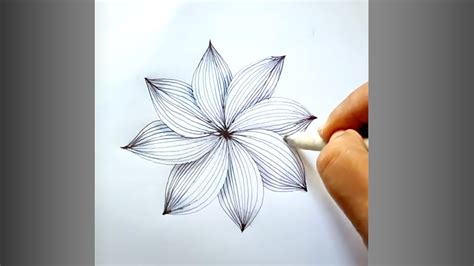
The tools used to create realistic flower drawings in 3D have evolved significantly in recent years. Artists now have access to a wide range of powerful software and hardware that allow them to achieve unprecedented levels of realism.
3D Modeling Software
The heart of 3D flower art lies in the 3D modeling software used to create the models. Some of the most popular options include:
- **Blender:** This free and open-source software is widely used by artists of all skill levels. It offers a comprehensive set of tools for 3D modeling, sculpting, texturing, and rendering.
- **Maya:** Developed by Autodesk, Maya is a professional-grade software used by studios and individual artists alike. It offers advanced features for animation, rigging, and simulation, making it suitable for complex flower designs.
- **ZBrush:** This software is primarily used for sculpting and modeling. It allows artists to create highly detailed models with ease, making it an excellent choice for capturing the intricate textures of flowers.
Rendering Engines
Once the model is complete, a rendering engine is used to create the final image. Some of the most popular options include:
- **Cycles:** Blender's built-in rendering engine is known for its realistic results and versatility. It supports a wide range of rendering techniques, including path tracing, which simulates light paths and creates highly realistic images.
- **V-Ray:** A professional rendering engine developed by Chaos Group, V-Ray is renowned for its speed and accuracy. It supports a wide range of features, making it suitable for complex scenes and demanding projects.
- **Arnold:** This rendering engine developed by Autodesk is known for its realism and flexibility. It supports advanced features like subsurface scattering, which simulates the way light interacts with translucent materials, making it ideal for rendering flowers.
Other Useful Tools
In addition to 3D modeling software and rendering engines, artists can leverage other tools to enhance their 3D flower drawings:
- **Photogrammetry:** This technique uses photographs to create 3D models. It's particularly useful for capturing the intricate details of flowers.
- **3D Scanning:** This technology allows artists to create digital models of real-world objects, including flowers. This provides a highly accurate and realistic starting point for 3D flower art.
- **Texture Libraries:** Artists can use texture libraries to access a wide range of materials, from realistic flower petals to intricate leaf veins. These libraries save time and effort in creating textures from scratch.
The Art of Realism
Creating realistic flower drawings in 3D requires a deep understanding of the nuances of form, color, and lighting. Artists must pay close attention to the intricate details of each flower, capturing the subtle variations in shape, color, and texture.
The Power of Detail
One of the key elements that contribute to the realism of 3D flower drawings is the level of detail. Artists must capture the intricate details of each petal, stem, and leaf, from the delicate veins to the subtle imperfections that make each flower unique.
Color and Texture
Color and texture are essential for creating a realistic 3D flower drawing. Artists must carefully select the colors that correspond to the real flower, paying attention to the subtle variations and gradients that give the flower its depth and dimension. Texture also plays a crucial role, as it can be used to create the illusion of softness, roughness, or even wetness.
Lighting and Shadow
Lighting and shadow are essential for bringing a 3D flower drawing to life. Artists use virtual lights to illuminate the scene, creating shadows and highlights that enhance the shape and form of the flower. These subtle lighting effects add depth and realism to the drawing, making it appear more lifelike.
A Detailed Table Breakdown
| Aspect | Importance in Realistic Flower Drawings |
|---|---|
| Modeling | Accurate sculpting of petals, stems, and leaves to capture the flower's shape and form. |
| Texturing | Applying materials to simulate the flower's surface, including color, sheen, and imperfections. |
| Lighting | Using virtual lights to illuminate the scene, creating shadows and highlights for depth and realism. |
| Rendering | Creating a final image from the 3D model, simulating light interaction for realistic results. |
The Impact of 3D Flower Drawings
Realistic flower drawings in 3D are more than just beautiful images; they have a profound impact on our understanding of nature, art, and technology. These drawings offer a unique perspective on the world, fostering a deeper appreciation for the beauty and complexity of flowers.
Science and Education
3D flower drawings can be used as educational tools, providing a visually compelling way to teach students about plant anatomy and biology. These drawings can also be used for research, allowing scientists to study the structure and function of flowers in greater detail.
Art and Design
Realistic flower drawings in 3D are pushing the boundaries of digital art, demonstrating the potential of technology to create stunning and realistic images. They are also inspiring new forms of art and design, influencing everything from fashion to architecture.
Environmentalism
3D flower drawings can raise awareness about the importance of biodiversity and conservation. By showcasing the beauty and fragility of flowers, these drawings can inspire people to protect nature and its precious resources.
Frequently Asked Questions
What software do I need to create realistic flower drawings in 3D?
You'll need 3D modeling software (Blender, Maya, ZBrush) and a rendering engine (Cycles, V-Ray, Arnold). Other helpful tools include photogrammetry software, 3D scanning software, and texture libraries.
How do I create realistic textures for my 3D flower drawings?
Use photogrammetry, create textures from scratch, or utilize texture libraries. Experiment with different materials and techniques to achieve the desired level of realism.
What are some tips for creating realistic lighting in my 3D flower drawings?
Use multiple light sources, pay attention to the direction and intensity of the light, and experiment with different lighting setups to achieve the desired effect.
Conclusion
The world of realistic flower drawings in 3D is a testament to the power of technology and the creativity of artists. These drawings offer a captivating and immersive experience, allowing viewers to connect with the beauty of nature in a whole new way.
To delve deeper into this fascinating art form, explore the work of artists who are creating these stunning visuals. Check out online platforms and galleries showcasing 3D flower art, and be inspired by the incredible talent that's shaping this new and exciting artistic landscape.


