Fall Art Backgrounds: Vibrant Autumn Designs
Fall Art Backgrounds: Vibrant Autumn Designs
Readers, have you ever found yourself staring out the window at the breathtaking colors of fall, wishing you could capture that beauty in your art? It's a feeling many creatives share! The vibrant hues of orange, yellow, red, and brown are an incredible source of inspiration, and fall backgrounds can transform your artwork into a true masterpiece. Fall art backgrounds are a popular choice for artists of all levels, and they can be used in a variety of ways, from painting to digital illustration. Whether you are a seasoned professional or a hobbyist, incorporating fall art backgrounds into your creations can elevate your work to new heights.
I've dedicated myself to exploring this topic, analyzing the best fall art backgrounds and how to incorporate them into your artwork, and I'm excited to share my knowledge with you. Let's dive into the enchanting world of fall art backgrounds and discover the secrets to creating captivating autumnal scenes.
Exploring the Beauty of Fall Art Backgrounds
Fall art backgrounds offer a unique blend of warmth, nostalgia, and natural beauty, and they can be used to evoke a wide range of emotions in your artwork. From the majestic grandeur of a sprawling forest to the intimate coziness of a country cottage, the possibilities are endless. Think about how you can capture the essence of fall in your own creations, whether it's by creating a realistic depiction of a colorful landscape or by using abstract elements to convey the feeling of change and transition. Here are some key aspects of fall that lend themselves beautifully to art backgrounds:

The changing leaves are the hallmark of fall, and they offer a plethora of hues to inspire artists. From fiery reds and oranges to warm yellows and golden browns, the foliage provides an array of vibrant colors to work with. The contrast between the vibrant foliage and the cool, clear skies creates a visually striking backdrop for your artwork.
Try incorporating various shades of fall foliage into your backgrounds to create depth and dimension. You can use different techniques, such as layering, blending, and color mixing, to achieve the desired effect. Experiment with different brushstrokes and textures to emulate the natural beauty of autumn leaves.
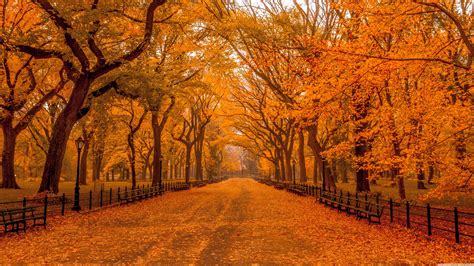
The fall landscape is truly a sight to behold. The rolling hills, sparkling lakes, and tranquil forests create a picturesque backdrop for your artwork. From the majestic silhouette of a lone tree against the sunset to the intricate details of a winding path through colorful foliage, the fall landscape offers endless inspiration for artists.
When choosing a fall landscape background, consider the overall mood you want to create. A dramatic mountain range can convey a sense of grandeur and power, while a peaceful meadow scene can evoke a feeling of tranquility. Experiment with different compositions and perspectives to add depth and interest to your backgrounds.
Exploring Fall Art Backgrounds: A Deeper Dive
Fall art backgrounds are not just about capturing the beauty of the season; they are also about creating a sense of mood and emotion. From the subtle warmth of a golden sunset to the crisp coolness of a foggy morning, fall art backgrounds offer a unique opportunity to explore the full range of human emotions. Here's a closer look at some of the most popular and effective ways to use fall art backgrounds in your artwork:
(H3) The Power of Mood: Creating Atmosphere with Fall Art Backgrounds
The right background can set the tone for your entire artwork. For a heartwarming scene, consider a background of golden leaves falling against a sunset sky. For a more dramatic scene, use a stormy sky with dark, foreboding clouds over a desolate landscape. The choice of colors, textures, and light can profoundly impact the mood of your artwork.
Think about the feelings you want to evoke in your viewers. A background filled with vibrant colors can convey excitement and energy, while a background with muted tones can create a sense of peace and tranquility. Experiment with different color combinations and textures to find the perfect balance for your artwork.
(H3) Adding Depth and Dimension with Fall Art Backgrounds
Fall art backgrounds can help you create a sense of depth and dimension in your artwork. For example, you can use a blurred background to create a sense of distance, or you can add details to the foreground to draw the viewer's eye forward. By layering different elements and textures, you can create a sense of depth and realism that will make your artwork truly come to life.
Try using atmospheric perspective, a technique that uses color and detail to create the illusion of distance. This technique can be used to make your background appear to recede into the distance, creating a sense of spaciousness and depth. Experiment with different techniques to see how you can best create depth and dimension in your fall art backgrounds.
(H3) The Importance of Composition: Balancing Your Artwork
Composition is key when using fall art backgrounds. The way you arrange your elements in your artwork can make or break the overall impact of your composition. Consider the rule of thirds, a guideline that suggests dividing your canvas into three equal sections both horizontally and vertically. By placing your main subject at one of the intersection points, you can create a visually balanced and interesting composition.
You can also explore other compositional techniques, such as leading lines, symmetry, and asymmetry, to create a visually dynamic and engaging backdrop for your artwork. Don't be afraid to experiment with different compositions to discover what works best for you.
Fall Art Backgrounds: A Detailed Breakdown
To truly understand the impact of fall art backgrounds, it's helpful to examine specific elements that make them so effective. Here's a breakdown of various aspects to consider:
(H3) The Power of Color: Harnessing the Vibrant Palette of Fall
Fall is a season of rich, saturated colors, and incorporating these colors into your artwork can create a striking visual impact. Warm reds, oranges, and yellows are perfect for creating a sense of energy and excitement, while cooler browns and greens can add a touch of tranquility and depth. Whether you're using digital tools or traditional mediums, experiment with different color palettes to see what resonates with you.
Try using complementary colors like red and green, or analogous colors like orange, yellow, and red, to create a balanced and harmonious color scheme. The use of contrast between light and dark, cool and warm, or saturated and desaturated colors can create a sense of depth and dimension in your artwork.
(H3) The Intricacy of Texture: Creating a Sensory Experience
Texture is another crucial element to consider when creating fall art backgrounds. From the smooth surface of a lake to the rough bark of a tree, fall offers a wide range of textures to explore. Incorporate a variety of textures into your artwork to create a multi-sensory experience. Use different brushstrokes, mediums, and techniques to achieve the desired texture.
A background with a variety of textures can add visual interest and depth to your artwork. Try using a combination of smooth and rough textures to create contrast and visual interest. You can also use textures to create a sense of movement, such as the swirling leaves in a stream or the rustling of leaves in a gentle breeze.
(H3) The Importance of Light: Illuminating Your Artwork
Light plays a vital role in creating the perfect fall art background. The soft, golden light of a fall sunset can create a warm and inviting atmosphere, while the harsh light of a winter sun can cast long shadows and create a sense of drama. Use light and shadow to enhance the depth and dimension of your artwork, making your backgrounds come alive.
Consider the time of day and the direction of the sun when you're creating your fall artwork. The angle of the sunlight can affect the colors, shadows, and textures in your background. Experiment with different lighting effects to see how you can best capture the essence of fall in your art.
Using Fall Art Backgrounds Effectively
Now that we've explored the beauty and versatility of fall art backgrounds, let's delve into practical tips on how to use them to enhance your artwork. Here are some techniques you can use to make the most of your fall art backgrounds:
(H3) Creating a Sense of Place: Transporting Your Viewer
Fall art backgrounds can help you create a strong sense of place in your artwork. Think about the specific location you want to portray, whether it's a forest, a meadow, or a city park. Research the landscape, the foliage, and the lighting to create a realistic and immersive experience for your viewers. Pay attention to the details that make each location unique to create a sense of authenticity and nostalgia.
The use of details, such as fallen leaves, pumpkins, or rustic fences, can create a sense of place and make your artwork more relatable to your viewers. Think about the stories that can be told through your chosen location. A rustic cabin nestled in a forest might evoke a sense of peace and tranquility, while a bustling city street lined with fall foliage could convey a sense of energy and excitement.
(H3) Adding a Touch of Nostalgia: Recalling Precious Moments
Fall is often associated with nostalgia, and fall art backgrounds can tap into those warm, fuzzy feelings. Think about the memories that fall evokes for you and try to capture those emotions in your artwork. A background of golden leaves falling on a crisp autumn day might evoke the sense of childhood wonder and the feeling of cozy evenings spent by a crackling fireplace.
You can use fall art backgrounds to create a sense of nostalgia by incorporating elements that evoke the past, such as antique furniture, vintage clothing, or old photographs. Use subtle details and color choices to create a feeling of warmth and familiarity, inviting your viewers to reminisce about the past.
(H3) Balancing Simplicity and Detail: Striking the Right Balance
Finding the right balance between simplicity and detail is key to creating effective fall art backgrounds. Too much detail can overwhelm the viewer, while too little detail can make the background feel bland and uninteresting. Try using a simple background with few details, focusing on creating a sense of mood and atmosphere.
Alternatively, you might use a detailed background with a variety of elements and textures to create a visually rich and engaging experience. Experiment with different levels of detail and complexity to see what works best for your artwork.
Fall Art Backgrounds: A Visual Guide
To further illustrate the versatility of fall art backgrounds and inspire your own creations, let's explore some visual examples of how they are used in different art forms:
(H3) Fall Art Backgrounds in Painting: Capturing the Essence of Nature
Fall art backgrounds are a popular choice for painters of all levels. Whether you're using oil paints, acrylics, watercolors, or mixed media, there are countless ways to capture the beauty of fall landscapes. The use of vibrant colors and textures can create a sense of depth and realism in your paintings. You can create a dramatic landscape with a foreground of fallen leaves and a background of towering trees, or a more intimate scene of a rustic cottage nestled in a grove of trees.
Experiment with different painting techniques, such as layering, glazing, and impasto, to create unique and impressive fall art backgrounds.
(H3) Fall Art Backgrounds in Digital Illustration: Exploring Creative Possibilities
Digital illustrators have a wealth of tools and techniques at their disposal when it comes to creating fall art backgrounds. From intricate details to abstract patterns, digital illustration offers an expansive range of creative possibilities. Use digital brushes and textures to create realistic fall foliage or explore abstract patterns inspired by the swirling shapes of autumn leaves. The use of color gradients and blending tools can create a sense of depth and dimension in your background.
Don't be afraid to experiment with different styles and techniques to see what works best for you.
(H3) Fall Art Backgrounds in Photography: Capturing the Moment in Time
Photography is a powerful tool for capturing the fleeting beauty of fall. Use your camera to capture the vibrant colors of fall foliage, the soft light of an autumn sunset, and the textures of nature. Experiment with different angles, perspectives, and compositions to create stunning fall art backgrounds. You can use photo editing software to enhance your images and create a more dramatic or artistic effect.
Think about the best time of day to capture the best light and colors for your fall art backgrounds. Try shooting during the golden hour, the period just after sunrise or before sunset when the light is soft and warm, and the colors are particularly vibrant.
FAQs about Fall Art Backgrounds
(H3) What are the best colors to use for fall art backgrounds?
The best colors for fall art backgrounds are warm and earthy tones, such as reds, oranges, yellows, browns, and greens. You can use these colors in a variety of ways, from creating a realistic depiction of fall foliage to a more abstract and impressionistic style.
(H3) How can I create a sense of depth and dimension in my fall art backgrounds?
To create depth and dimension in your fall art backgrounds, use a variety of techniques, such as layering, blending, and color mixing. You can also use atmospheric perspective, a technique that creates a sense of distance by using color and detail. By layering different elements and textures, you can create a sense of depth and realism that will make your artwork truly come to life.
(H3) What are some tips for creating a successful fall art background?
Here are some tips for creating successful fall backgrounds: - Consider the overall mood you want to create. - Use vibrant colors to express energy, and muted tones for tranquility. - Use atmospheric perspective to create a sense of distance. - Use a variety of textures to create visual interest. - Pay attention to the lighting and shadows in your artwork. - Use details and elements to create a sense of place and nostalgia.
Conclusion
So, dear readers, as the leaves begin to turn, embrace the beauty of fall and let it inspire your art. Fall art backgrounds can be a catalyst for creativity, allowing you to express your unique vision and connect with the natural world. Explore the vast range of possibilities, experiment with different techniques, and allow the beauty of fall to transform your artwork into a breathtaking masterpiece. Don't forget to check out our other articles on art and design for additional inspiration!


